Why Does My Drain Smell Like Sewage?
What Causes a Sewage Smell From Your Drains?
A sewage smell coming from a sink, shower, bathroom or outside drain isn't something you should simply cover up with air freshener.
Drainage systems are designed to carry wastewater and unpleasant gases away from your home. If you're suddenly noticing a persistent foul or sewage-like smell, something may not be working as intended.
Sometimes the cause is relatively simple, such as material accumulating inside a waste pipe. In other cases, persistent drain smells can indicate a blockage or a problem within the drainage system.
Why Do Drains Smell?
Drain smells can develop when waste material accumulates and begins decomposing, when water isn't flowing properly or when gases from the drainage system are able to enter areas where they normally shouldn't.
The location and timing of the smell can provide useful clues.
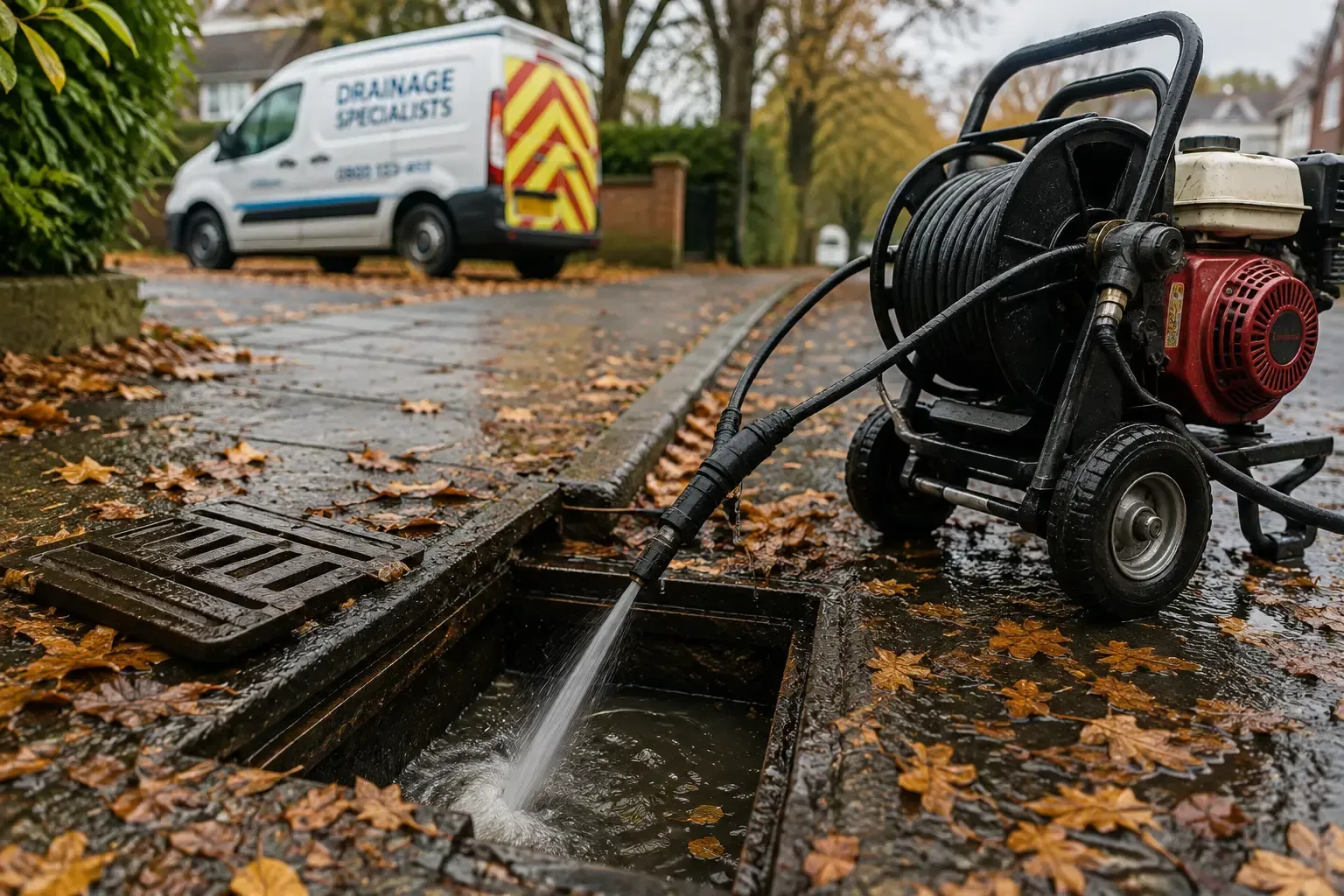
There isn't one single cause of blocked drains. What is causing the obstruction often determines how it needs to be removed.
Common Causes of Sewage Smells From Drains?
A Build-Up of Waste
Food, grease, hair, soap and other organic material can collect inside waste pipes. Bacteria breaking this material down can produce unpleasant smells even before the pipe becomes completely blocked.
A Partially Blocked Drain
A drain doesn't need to be completely blocked to cause problems. Partial obstructions slow wastewater down and allow material to remain inside the pipe for longer. You may notice the smell alongside slow drainage or gurgling noises.
A Dry Trap
Plumbing traps normally contain water, which creates a barrier between the room and the drainage system. If a sink, shower or other fixture hasn't been used for a considerable period, the water can evaporate and allow unpleasant drain gases into the room.
Outside Drain Blockages
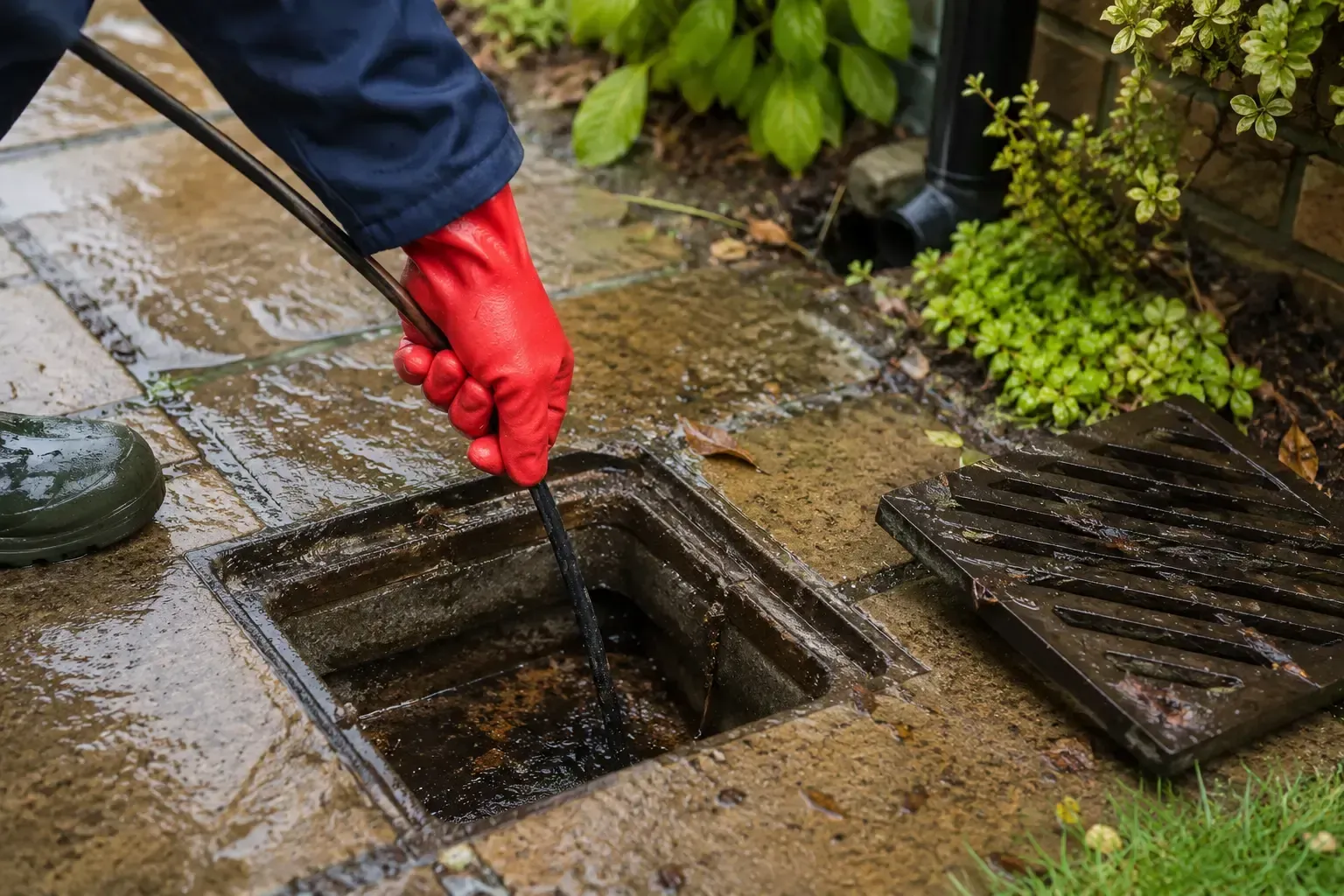
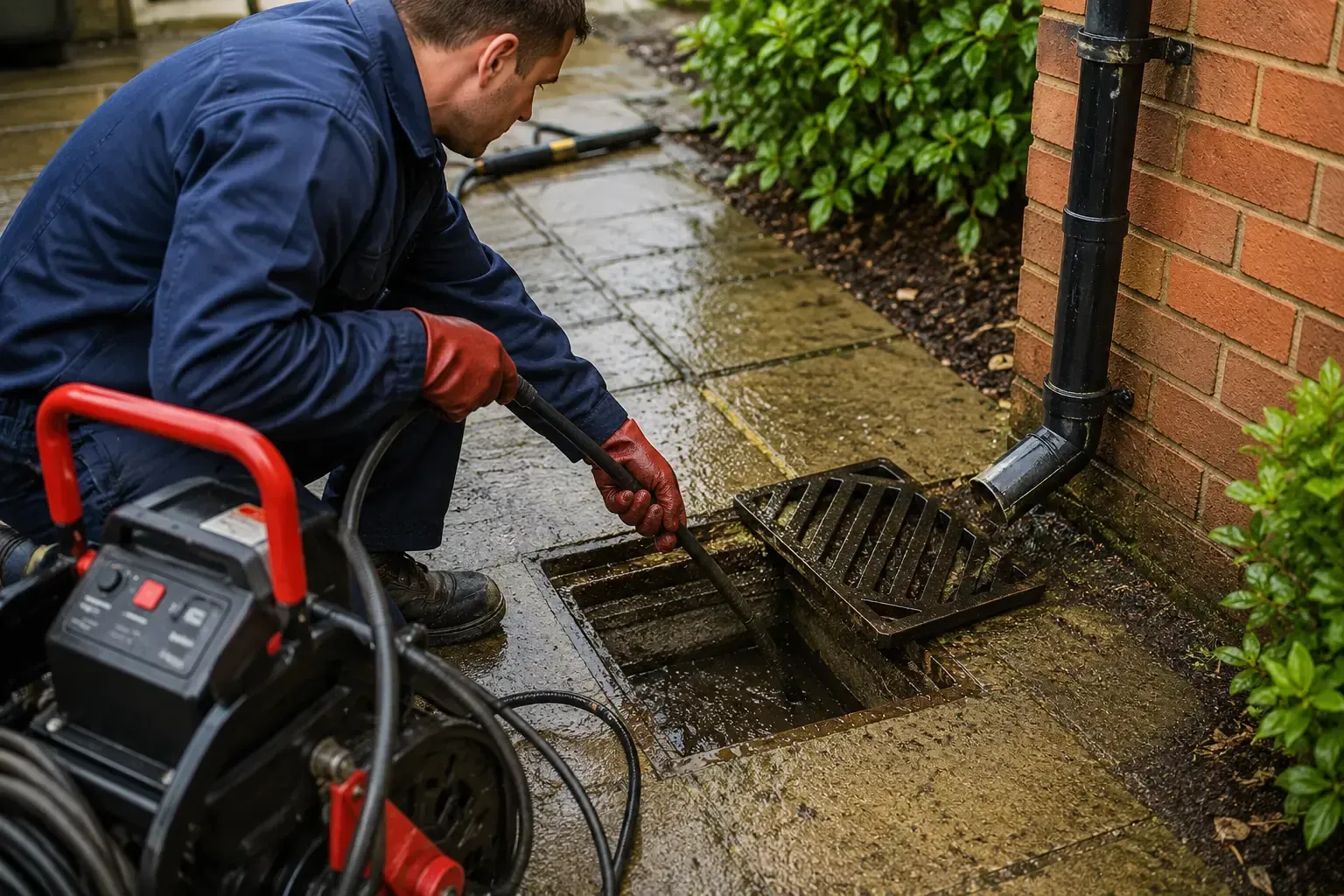
Leaves, mud, grease and wastewater can accumulate within an outside drain and produce strong odours. If the outside drain is also full of standing water, it may be blocked. See our guide to How to Unblock an Outside Drain.
Damaged Drainage Pipes
Cracks, defective joints and other drainage defects can potentially allow wastewater or unpleasant gases to escape. Persistent smells that cannot be traced to an obvious fixture may therefore require further investigation.
A Problem With the Toilet Seal
A damaged or worn toilet seal can allow unpleasant sewage smells to escape into the bathroom. If the smell is strongest around the base of the toilet, or you notice dampness or leakage, the seal may need to be inspected and replaced.
Why Does My Sink Drain Smell Like Sewage?
Kitchen sinks commonly develop smells because food waste and grease accumulate inside the waste system. Bathroom sinks can accumulate soap, toothpaste, hair and other material.
If the sink also drains slowly, there may be a developing obstruction. Cleaning accessible components can sometimes resolve a local issue. Persistent smells despite cleaning can indicate that the cause lies further into the system.
Why Does My Shower Drain Smell?
Hair, soap residue and organic material regularly enter shower drains. Over time this can form a layer inside the waste pipe that traps further material and produces an unpleasant smell.
Remove accessible hair and debris and check whether water drains normally. If the shower is both smelling and draining slowly, a blockage may be developing.
Why Does My Outside Drain Smell Like Sewage?
An outside drain will naturally carry wastewater, but a strong persistent sewage smell deserves attention. Check for:
- Standing wastewater
- Slow drainage
- Visible waste
- Overflowing
- Gurgling
- Problems affecting toilets or sinks inside
If sewage is standing inside or escaping from the drain, the drainage system may be blocked.
Can a Blocked Drain Cause a Sewage Smell?
Yes. A blockage can prevent wastewater from moving normally and allow organic material to remain within the drainage system.
Partial blockages can be particularly deceptive because water may still escape, just much more slowly. If you're also experiencing slow drainage, gurgling or water backing up, investigate the possibility of a blockage.
See our complete guide: How to Clear a Blocked Drain.
How Can You Get Rid of Drain Smells?
The solution depends on the cause. Start by:
- Removing accessible waste and debris
- Cleaning plugholes and accessible traps
- Checking whether water drains normally
- Running water through rarely used fixtures
- Checking outside drains for standing wastewater
Avoid simply masking the smell. If the odour repeatedly returns, finding the underlying cause is more important than continually treating the symptom.
When Should a Smelly Drain Be Investigated?
Consider professional investigation if:
- The smell is persistent
- Several drains smell simultaneously
- Water drains slowly
- Drains are gurgling
- Wastewater is backing up
- An outside drain is overflowing
- The same problem repeatedly returns
- You suspect damaged drainage
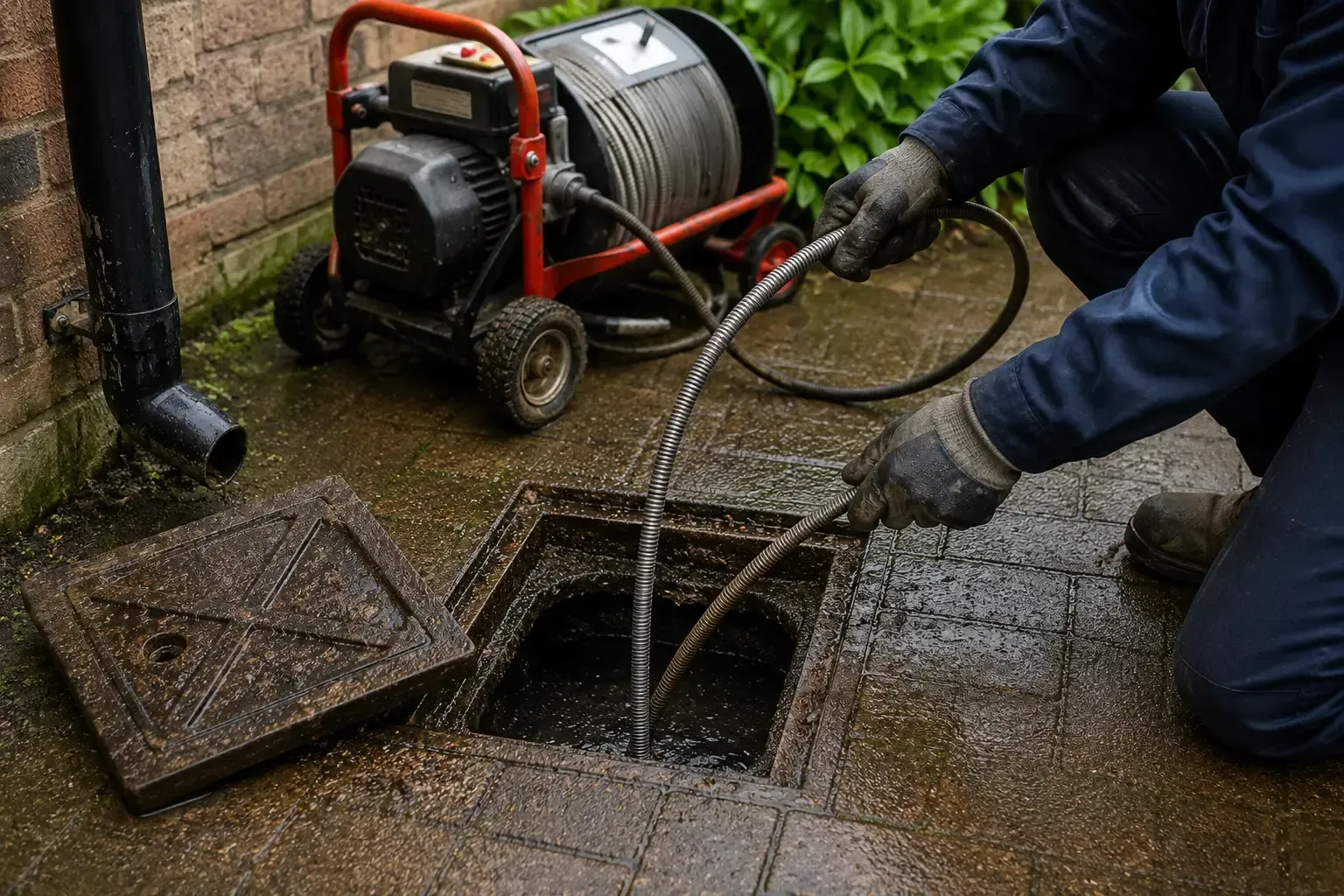
Where the cause isn't visible, CCTV inspection can help identify obstructions or defects within the drainage pipe.
Worried About a Persistent Drain Smell?
Bosworth Drainage can investigate blocked and problematic drainage systems across Nottinghamshire, Derbyshire and surrounding areas.
If a persistent sewage smell is accompanied by slow drainage, gurgling, wastewater or recurring blockages, we can help identify the underlying cause.
Frequently Asked Questions
Does a sewage smell always mean a drain is blocked?
No. A dry trap, accumulated waste or another plumbing issue can also cause unpleasant smells. However, if the smell is accompanied by slow drainage, gurgling, standing water or wastewater backing up, a blockage becomes more likely.
Why does my drain smell but isn't blocked?
Material can accumulate inside a pipe without completely preventing water flow. Alternatively, a trap may have dried out or there may be another drainage defect. Persistent smells warrant investigation even when water still appears to drain.
Can I pour boiling water down a smelly drain?
Hot water can sometimes help remove small amounts of grease or residue, but it isn't a universal solution and doesn't identify why the smell developed. Persistent odours should be investigated rather than repeatedly treated with hot water or chemicals.
Why does the drain smell keep coming back?
Recurring smells suggest the underlying source hasn't been removed. There may be waste deeper inside the pipe, a partial blockage or a drainage defect. If normal cleaning only temporarily improves the problem, further investigation may be appropriate.
Recent Posts